

Abstract
- Yoga for athletes improves flexibility, balance, and recovery, and complements strength and endurance training rather than replacing it.
- In a study by Polsgrove et al. (2016), just two yoga sessions per week over a 10-week period led to measurable improvements in flexibility and balance.
- Choose a style based on your goal: Vinyasa/Power for strength and athleticism, Yin/Restorative for recovery, and Hatha for beginners.
- 2–3 short sessions per week are enough. Restorative yoga is ideal for your rest day, while dynamic yoga is great after a workout or as a standalone session.
Yoga for Athletes: Greater Flexibility and Faster Recovery
Yoga for athletes isn't at odds with intense training—it's the missing piece of the puzzle: It makes you more flexible and stable, and helps you recover faster. Anyone who regularly participates in strength or endurance sports can improve their range of motion, body control, and ability to recover through targeted yoga sessions—thereby reducing the risk of overuse injuries.
In this guide, you'll learn why yoga is so effective for athletes, which styles are best suited to which training goals, how to incorporate yoga into your weekly routine in a way that works for you, and what mistakes to avoid.
Why Yoga Is So Effective for Athletes
Strength training tends to shorten the muscles, while endurance sports put strain on the same movement patterns over thousands of repetitions. Yoga counteracts this: It guides your joints through their full range of motion, strengthens stabilizing muscles, and trains the connection between breathing, tension, and relaxation.
The scientific evidence supports these benefits. In a controlled study by Polsgrove, Eggleston, and Lockyer (2016), published in the International Journal of Yoga, college athletes practiced yoga twice a week for 10 weeks. The yoga group showed significant improvements in flexibility and balance, while the comparison group that did not practice yoga showed no changes. Thus, even a modest amount of practice was sufficient to produce measurable effects.
Mobility and Range of Motion
For strength athletes, a greater range of motion means deeper squats, a cleaner overhead position during presses, and fewer evasive movements. Yoga involves active stretching under tension—which translates better to athletic movements than purely passive stretching.
Balance, Core, and Body Control
One-legged poses like the Tree Pose or Warrior III challenge your core muscles and your balance. This stability is the foundation for sprints, jumps, changes of direction, and challenging core exercises.
Regeneration and the Nervous System
Calm styles such as Yin or Restorative Yoga activate the parasympathetic nervous system—the part of the nervous system responsible for relaxation—through conscious, long exhalations. This supports the transition from the stress of exercise back to recovery and can improve sleep quality.
Which yoga style is best for which goal?
Not every style is suitable for every purpose. This overview will help you choose the right style based on your current training goal.
| Style | Intensity | Focus | Ideal for when |
|---|---|---|---|
| Vinyasa / Power | High | Strength, Athleticism, Endurance | Your own session or a day off from training |
| Hatha | Medium | Technique, Fundamentals, Breathing | Getting Started and Learning Through Practice |
| Yin | Low | Mobility, Fascia, Letting Go | Day Off, Evening |
| Restorative | Very low | Regeneration, Nervous System | After hard training blocks, deload |
How to Smartly Integrate Yoga into Your Workout
The most common mistake is to incorporate yoga haphazardly. It’s better to have a clear plan that aligns yoga with your fitness goals. As a rule of thumb: avoid dynamic yoga right before a strenuous strength training session, but feel free to do gentle yoga on rest days or in the evening.
| Training Goal | Recommended Yoga Practices | Frequency |
|---|---|---|
| Strength Training | Yin/Restorative on your day off, a short mobility session before your workout | 1–2 times a week |
| Endurance Sports | Vinyasa as cross-training, Yin after long sessions | 2 times a week |
| Mobility | Hatha for learning techniques, Yin for depth | 2–3 times a week |
| Regeneration | Restorative yoga in the evening, calm breathing after exercise | As needed |
Just 15 to 30 minutes per session is enough to feel the effects. Consistency is more important than duration—and that’s exactly what the study showing results with just two sessions per week demonstrated.
Buying Guide: The Right Equipment
Yoga requires very little equipment, but the basics make a real difference in terms of stability, joint protection, and progress. As an authorized retailer with a customer rating of ★ 4.88/5 from over 5,000 customers, we focus on durable equipment rather than short-lived, cheap products.
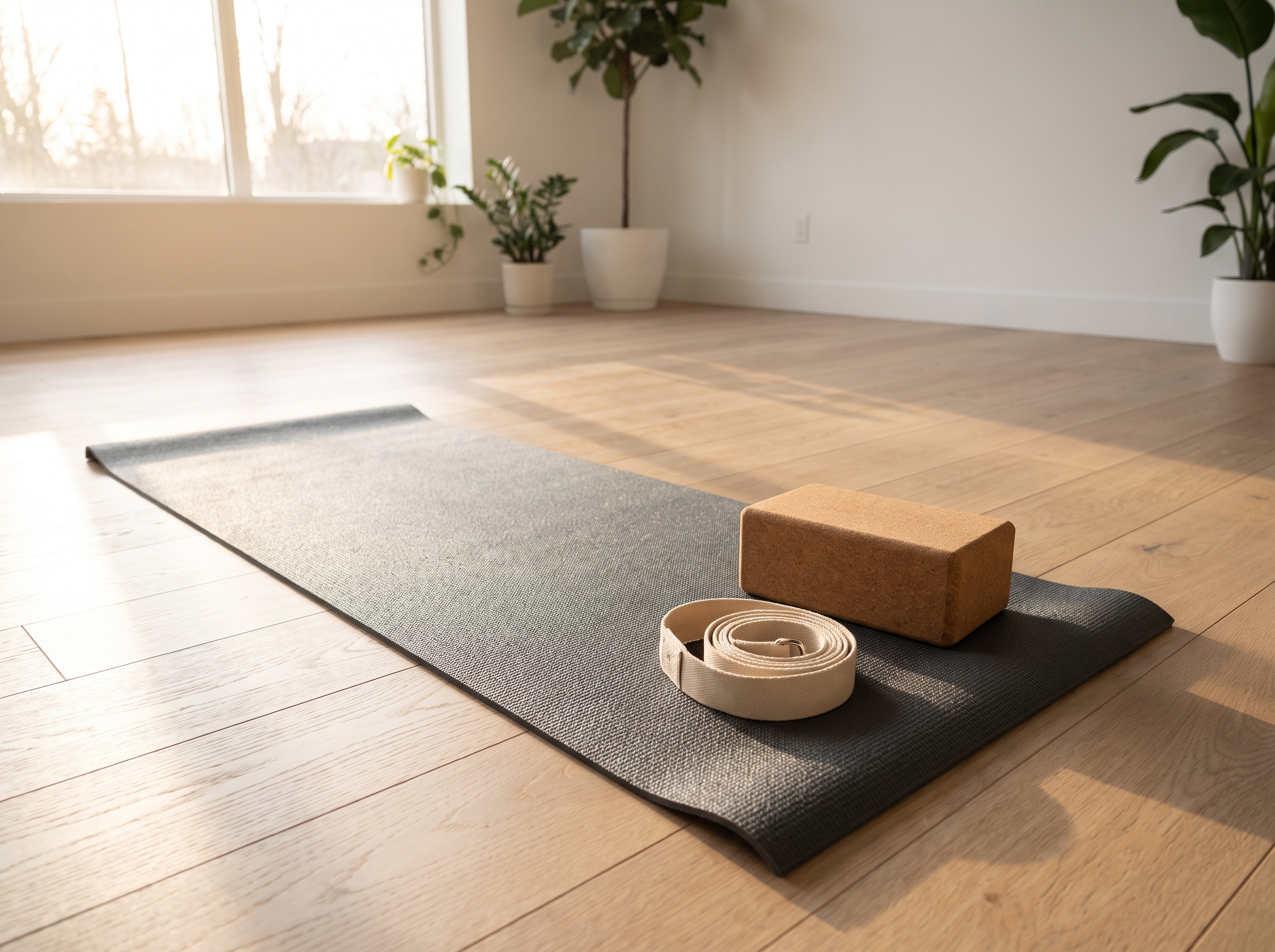
- Yoga and exercise mat: non-slip and cushioned, so your hands and knees stay secure. You'll find a selection in our Exercise Mats & Floor Protection category.
- Blocks and straps: They shorten the lever arm and make poses accessible while your flexibility is still developing. You can find the right accessories under " Pilates & Yoga Accessories."
- For studios and ambitious athletes: Those who want to take their flexibility training to a professional level often combine yoga with equipment-based Pilates. High-quality studio Reformers, such as those with Hegren with sturdy steel frames provide controlled resistance for targeted strengthening and mobility training—a useful complement, not a replacement for the mat.
Common Mistakes in Yoga for Athletes
These obstacles slow down your progress or even increase your risk of injury:
- Ambition over technique: Forcing yourself into a posture leads to overstretching. Work with a block and strap instead of forcing yourself into end positions.
- Dynamic yoga before a heavy workout: An intense Vinyasa session right before maximal strength training can reduce performance. Separate the stimuli.
- Ignoring your breathing: Breathing controls tension and relaxation. If you hold your breath, you're missing out on most of the benefits.
- Irregularity: One long session per month isn't very effective. Two short, regular sessions per week are much more effective.
- Don't confuse pain with stretching: A sharp, stabbing pain is a warning sign, not a sign of progress. Listen to your body, and if the discomfort persists, seek professional advice.
Frequently Asked Questions
As an athlete, how often should I practice yoga?
Two to three sessions per week are enough to produce noticeable results. In the study by Polsgrove et al. (2016), even just two sessions per week improved mobility and balance. In this context, quality and consistency are more important than duration alone.
Does yoga replace my stretching routine or my strength training?
Yoga largely replaces simple stretching routines because it builds flexibility while maintaining active tension. It doesn't replace your strength training—it complements it by improving mobility, stability, and recovery.
Can yoga improve my performance in strength training?
Indirectly, yes: Greater range of motion allows for more precise execution, better balance stabilizes challenging exercises, and proper recovery maintains the quality of your training. Yoga is therefore a tool for longevity in sports.
Which style of yoga is best for beginners?
Start with Hatha to learn the poses properly, and add Yin to improve flexibility. You can incorporate dynamic Vinyasa or Power Yoga once you’ve mastered the basics. Learn more in our yoga guide for beginners.
Should I do yoga before or after my workout?
Calm, restorative yoga is ideal after a workout or on a rest day. Short, energizing mobility sequences are great for warming up. Avoid intense yoga right before a heavy strength training session.
Conclusion
Yoga for athletes is one of the most effective ways to invest in flexibility, stability, and recovery—with proven benefits even with just two sessions a week. Choose a style that fits your goals, stick to your schedule, and treat yoga as a complement to—not a replacement for—your training. This will help you stay injury-free and perform at your best for longer.
Want to expand your setup or equip a studio? Contact us —we’ll provide personalized advice on the right equipment for you. Scientific source: Polsgrove et al., 2016, International Journal of Yoga.