

A Comparison of Yoga Styles: Which Style Is Right for You?
In short:
- There is no single form of yoga—the styles vary greatly in pace, intensity, and purpose.
- Calm and beginner-friendly: Hatha and Yin. Dynamic and strength-focused: Vinyasa and Ashtanga. Precisely aligned: Iyengar. Sweaty: Hot/Bikram.
- Hatha is best for beginners; Yin is best for flexibility and relaxation; and Vinyasa or Ashtanga are best for fitness and strength.
- A non-slip mat setup is a must-have for any style.
Which style of yoga is right for you depends mainly on your goal: If you want to relax and become more flexible, calm styles like Hatha or Yin are ideal. If you’re looking for a more challenging workout, dynamic styles like Vinyasa or Ashtanga will build strength and endurance. This comparison highlights the main styles of yoga, their differences, and who each is best suited for—so you can find the right one to get started.
Yoga is more than just stretching: A 2017 Cochrane review (Wieland et al., 12 studies with 1,080 participants) found evidence that yoga can improve back-related function in people with chronic nonspecific low back pain compared to no exercise. We’ll explain which style is right for you here.
An Overview of the Major Yoga Styles
Hatha Yoga
Hatha is the classic, gentle introduction to yoga. The poses (asanas) are entered into slowly and held for longer periods, accompanied by mindful breathing. It’s ideal for beginners, older adults, and anyone who wants to build a foundation and develop body awareness. Our yoga guide for beginners is based on this style.
Vinyasa (Flow) Yoga
In Vinyasa, the poses flow smoothly into one another, synchronized with the breath. The pace is faster, and the sequence varies from class to class. Vinyasa builds strength, improves your fitness, and is fun if you like variety.
Ashtanga Yoga
Ashtanga follows a fixed, consistent sequence of challenging poses at a dynamic pace. It is physically demanding and noticeably builds strength and endurance—best suited for ambitious and somewhat experienced practitioners.
Yin Yoga
Yin is the calm counterpart: Poses are held passively for three to five minutes to gently stretch the fascia and connective tissue. Ideal for flexibility, relaxation, and as a counterbalance to intense workouts.
Iyengar Yoga
Iyengar emphasizes precise alignment and uses props such as blocks and straps. This makes it very precise, easy to learn, and popular among people with physical limitations or those who place a high value on proper execution.
Hot Yoga / Bikram
Hot yoga is practiced in a very hot room. The heat increases sweating and makes it feel easier to stretch. Important: Be sure to drink plenty of fluids and exercise caution if you have circulatory problems—this style isn't suitable for everyone.
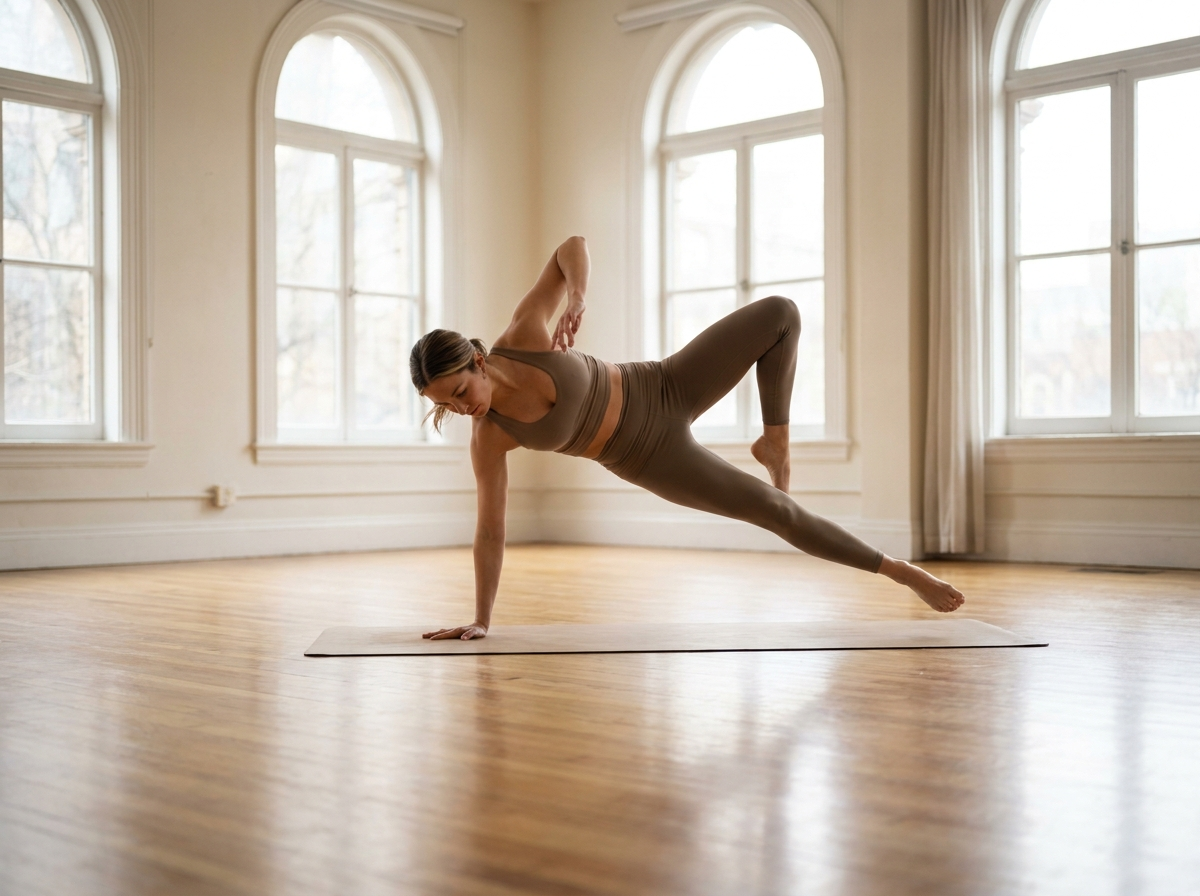
A Direct Comparison of Yoga Styles
| Style | Intensity | Focus | Ideal for |
|---|---|---|---|
| Hatha | Low | Basics, Breathing | Beginners |
| Vinyasa | Medium to high | Flow, Fitness | Fitness, Variety |
| Ashtanga | High | Strength, Endurance | Experienced, Ambitious |
| Yin | Low | Mobility, Fascia | Relaxation, Balance |
| Iyengar | Low to medium | Alignment, Precision | Accuracy, proximity to a rehabilitation center |
| Hot / Bikram | High (Temperature) | Sweating, Stretching | Experienced, with stable circulation |
Which yoga style is best for which goal?
- If you're a beginner: Start with Hatha or Iyengar—a gentle pace and clear alignment.
- You want to get fitter and stronger: Vinyasa and Ashtanga require strength and endurance.
- You want to become more flexible and relax: Yin is the ideal balance, especially when combined with strength or endurance training.
- If you have physical limitations, Iyengar yoga with props allows for safe, adapted practice.
By the way: Yoga and Pilates are often confused. You can read about how they differ in our article “The Difference Between Pilates and Yoga.”
Buying Guide: The Right Gear for Your Style
No matter what style you practice—the foundation is a non-slip mat that’s thick enough. For dynamic styles like Vinyasa or hot yoga, it should have excellent grip so you can maintain a secure footing even when you’re sweating. For calmer styles like Yin, a slightly thicker mat provides comfort during long holds. In our “Workout Mats & Floor Protection” category, you’ll find mats suitable for every style, along with accessories like blocks and straps for alignment-focused styles.
Our customers rate us an average of 4.88 out of 5 stars—we'd be happy to help you choose the mat that best suits your style and floor surface.
Common Mistakes When Getting Started
- Starting out too ambitiously: Beginners who jump right into Ashtanga or hot yoga will quickly find themselves overwhelmed. Build a foundation with Hatha yoga.
- Forget about your breath: In yoga, breathing isn't an afterthought—it's part of the practice. Move with your breath, not against it.
- A slippery or too-thin mat: It disrupts your concentration and increases the risk of injury. Invest in a sturdy setup.
- Try just one style: You'll only know what suits you once you compare them—feel free to try several.
Frequently Asked Questions
Which type of yoga is best for beginners?
Hatha yoga is the best way to get started: a gentle pace, poses held for longer periods, and a focus on breathing and the basics. Iyengar is also a good choice because its precise alignment is easy to learn.
Which style of yoga is the most strenuous?
Ashtanga is considered the most physically demanding of the classical styles, followed by power Vinyasa and hot yoga, due to the added heat.
Which style is best for flexibility?
Yin Yoga is specifically designed to improve flexibility: The poses are held passively for several minutes, gently stretching the fascia and connective tissue.
Can yoga help with back pain?
A 2017 Cochrane review found evidence that yoga may improve back function in people with chronic nonspecific low back pain compared to no exercise. If you have existing symptoms, talk to a doctor first and choose a calm, alignment-focused style.
Do I need different gear for each style?
The basic equipment—a non-slip mat—works for all styles. For alignment-focused styles like Iyengar, blocks and straps are useful; for hot yoga, a mat with extra grip and a towel are recommended.
Conclusion
There’s no single “best” style of yoga—only the one that suits your goals. Calm styles like Hatha and Yin are ideal for beginners, relaxation, and flexibility, while dynamic styles like Vinyasa and Ashtanga build strength and endurance. Try out a few different ones and make sure you have a solid mat setup as a foundation.
Want to know which mat or accessory suits your style? Talk to our team —we'd be happy to help.
Source: Wieland, L. S. et al. (2017). Yoga treatment for chronic nonspecific low back pain. Cochrane Database of Systematic Reviews. For more information: NCCIH – Yoga: What You Need to Know.