

Abstract
- The most important component of any wellness routine is sleep: The National Sleep Foundation recommends 7–9 hours for adults, while athletes often benefit from 8–10 hours.
- Regeneration can be actively managed —through sleep, cold, heat, exercise, and nutrition—not simply by doing nothing.
- A good routine follows the rhythm of the day: energizing in the morning, restorative in the evening.
- Consistency beats intensity: small daily habits have a greater impact than occasional wellness marathons.
The Perfect Wellness Routine: Your Daily Plan for True Recovery
The most effective wellness routine doesn’t start with expensive equipment, but with sleep: The National Sleep Foundation recommends 7–9 hours per night for adults, and for active people, the optimal amount is closer to 8–10 hours. A well-known study by Stanford University showed that after several weeks of getting more sleep, basketball players sprinted faster and improved their shooting percentage by about 9%. Recovery, then, isn’t just passive waiting—it can be actively shaped. This guide provides you with a clear daily plan.
Whether you train hard, work a lot, or both: Your body will only recover fully if you give it the right stimuli at the right time. Recovery is the phase during which your body gets stronger—not the workout itself.
Why Recovery Is the Key to Success
Every training stimulus creates a controlled load. It is only during recovery that the body repairs and strengthens its tissues—a process known as supercompensation. Those who don’t recover enough accumulate fatigue, plateau, and risk injury. Studies on sleep among athletes even show that chronic sleep deprivation significantly increases the risk of injury. Recovery is therefore not just a “nice-to-have,” but the foundation for performance and health.
The Five Pillars of Regeneration
1. Sleep—the most powerful tool
During deep sleep, the body releases growth hormone and repairs muscle tissue. Aim for 7–9 hours; if you’re training intensively, aim for more. Stick to a consistent sleep schedule, keep the room dark, and avoid screens during the last hour before bed.
2. Cold Stimuli – Use Them Strategically
Cold therapy, such as ice baths, can reduce muscle soreness and inflammation after intense exercise. However, cold therapy should be used sparingly immediately after strength training aimed at building muscle, as it can dampen the growth stimulus. It is an effective tool for general recovery and on non-training days.
3. Heat – Blood Circulation & Relaxation
Saunas and infrared heat promote blood circulation, relax the muscles, and support the parasympathetic nervous system—the body’s “rest mode.” Regular sauna sessions are also considered beneficial for the cardiovascular system.
4. Active Recreation & Mobility
Light exercise, mobility exercises, and myofascial release promote blood circulation without causing further fatigue. A foam roller or massage device can relieve tension and improve body awareness.
5. Nutrition & Hydration
Without enough protein, carbohydrates, and fluids, the body cannot repair itself properly. Be sure to eat a protein-rich meal after your workout and stay hydrated throughout the day.
The Nervous System: The Invisible Timekeeper
True recovery happens primarily when your autonomic nervous system switches to the parasympathetic “rest mode.” Chronic stress, on the other hand, keeps you in the sympathetic “alert mode”—your heart rate and tension remain high, and your sleep becomes lighter. Many athletes now track their heart rate variability (HRV) as an indicator: Higher variability usually points to good recovery, while a consistently low value indicates overexertion. You don’t need an expensive gadget for this—simply paying attention to your sleep quality, resting heart rate, and overall energy level provides valuable clues as to when you should take a break.
Breathing Techniques for a Quick Reset
Breathing is the most direct link to the nervous system. A simple, effective technique is prolonged exhalation: Inhale through your nose for four seconds and exhale slowly for six to eight seconds. Just two to three minutes of this noticeably reduces tension and helps you wind down in the evening. It’s ideal as a bridge between a stressful day and a good night’s sleep—or right after a workout, to switch from exertion mode to recovery mode.
Your Wellness Daily Schedule
| Time of day | Focus | Specific Routine |
|---|---|---|
| In the morning | Activation | Natural light, a glass of water, 5–10 minutes of movement, and (optional) a cold shower |
| At noon | Maintain Energy | A protein-rich meal, a short walk, intentional breaks |
| After practice | Begin recovery | Protein + carbohydrates, light stretching, foam rolling, calm breathing |
| In the evening | Shutdown | Sauna/heat, limit screen time, set a fixed bedtime |
Organizing Your Week
Recovery works not only on a daily basis but also on a weekly basis. Be sure to schedule lighter workouts alongside intense training days, and include at least one true rest day. Active recovery days—such as a walk, gentle mobility exercises, or a relaxing visit to the sauna—promote blood circulation without causing new fatigue. If you constantly push yourself “full throttle,” you’ll end up overtraining and hitting a plateau. A sensible routine might look like this: three to four challenging sessions, with active recovery in between, and every few weeks a deliberately lighter “deload” week, during which you reduce both volume and intensity.
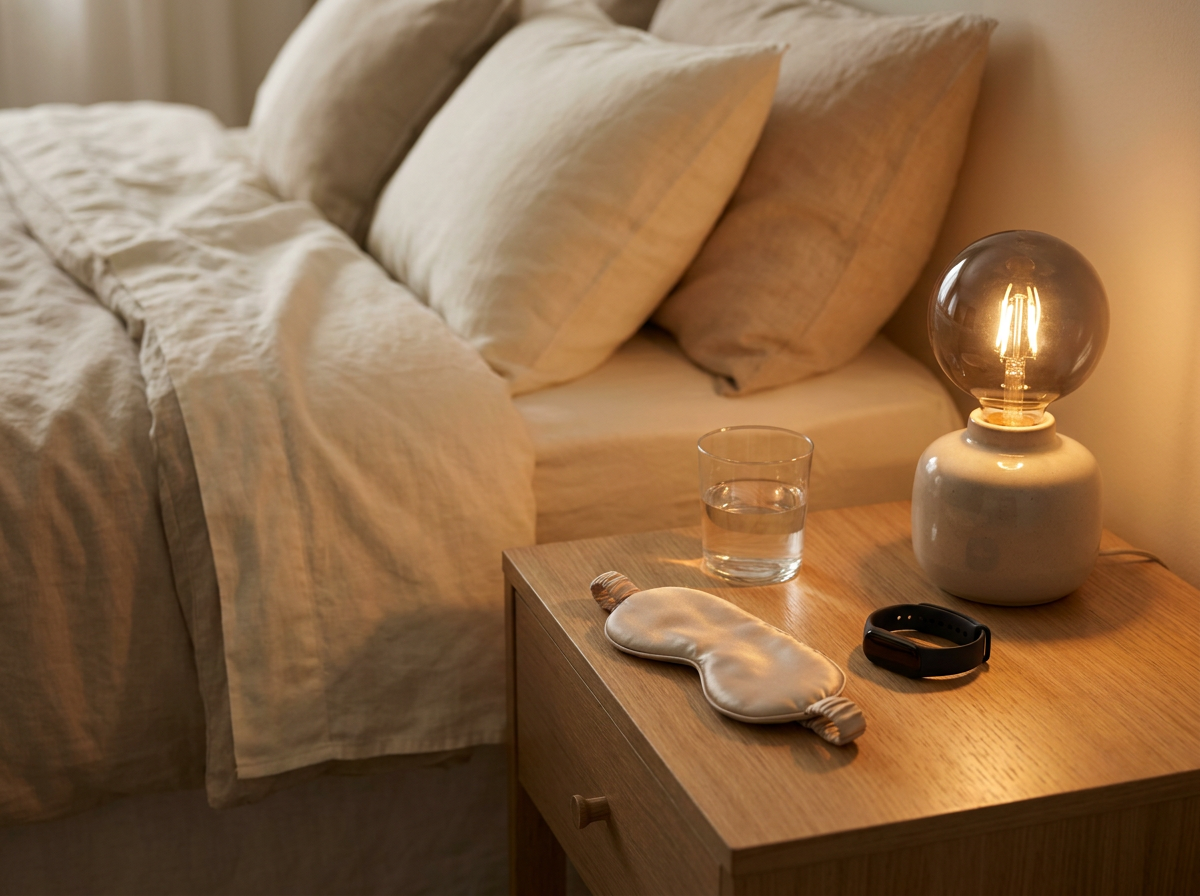
Don't forget to take time to relax mentally
Recovery isn’t just physical. Chronic mental stress keeps the nervous system running at full speed and undermines even the best sleep and exercise routines. Short periods of intentional rest—a walk without a cell phone, a few minutes of meditation, time spent in nature, or an analog hobby—help your mind wind down. This mental break isn’t a luxury; it’s part of recovery. Those who allow both body and mind to rest equally recover noticeably better.
Buying Guide: Tools for Your Routine
You don’t need an entire spa to recover noticeably better—but the right tools make it easier to stay consistent. You’ll find an overview of everything that supports recovery in our Recovery category. For targeted heat, check out our saunas; for blood circulation and tired legs, check out compression therapy; and for relaxing evenings, check out our massage chairs.
We ship all products in a carbon-neutral manner and, as an authorized dealer, provide them with a full manufacturer’s warranty—so you can focus on what matters most: your relaxation.
Here's how to build your routine step by step
The most common reason wellness routines fail is overambition. Anyone who tries to adopt ten new habits at once rarely sticks with them for more than two weeks. A step-by-step approach is more effective: Start with the habit that makes the biggest difference—a set bedtime—and stick to it consistently for two weeks until it feels automatic. Only then should you add the next building block, such as ten minutes of mobility exercises in the morning or a mindful breathing exercise in the evening. After a few weeks, you’ll have established a sustainable routine that’s driven not by motivation, but by habit. Also, plan realistically: A routine that fits your actual daily life beats any perfect plan that you’ll abandon after three days. Track your progress roughly—a simple check mark on the calendar is enough—and be kind to yourself if you miss a day. Consistency over weeks and months is what ultimately makes the difference.
Common Mistakes in Regeneration
Make sleep your top priority. Many people focus on supplements and ice baths, but they chronically don’t get enough sleep. Sleep is by far the most effective lever.
Trying to do too much at once. A perfect routine that you give up on after three days is less effective than two small habits that you stick with for years.
Avoid overexposure to cold immediately after strength training. If you want to build muscle, you should not subject yourself to intense cold exposure right after strength training.
Don't think of recovery as just a break. Active recovery—light exercise, mobility exercises, and mindful breathing—is often more effective than simply doing nothing.
Frequently Asked Questions
What does a good recovery routine look like?
It follows the daily rhythm: energizing in the morning (light, exercise, water); intentional breaks during the day; nutrition and mobility after a workout; and winding down in the evening with warmth and a restful night’s sleep. Consistency every day is key.
How much sleep do I need for proper recovery?
The National Sleep Foundation recommends 7–9 hours for adults. Active people and athletes often benefit from 8–10 hours, because the most important repair processes take place during deep sleep.
Is an ice bath a good idea after every workout?
Not necessarily. Cold therapy can be helpful for general recovery and after intense exercise. However, you should use it sparingly immediately after strength training aimed at building muscle, as it can dampen the growth stimulus.
Does a sauna really help you relax?
Yes. Heat promotes blood circulation, relaxes the muscles, and supports the parasympathetic nervous system. Many people also find that regular sauna sessions help reduce stress and promote sleep.
How soon will I notice the effects of a wellness routine?
You'll often start to notice improvements in your sleep and energy levels after just a few days. Structural improvements in performance, stress levels, and recovery capacity usually become apparent after a few weeks of consistent practice.
Conclusion
An effective wellness routine isn’t a luxury—it’s applied sports science: Sleep forms the foundation; cold and heat provide targeted stimulation; active recovery, breathing, and nutrition round out the picture—and mental breaks keep the nervous system in balance. If you incorporate these building blocks into a simple, daily plan and structure it wisely throughout the week, you’ll recover faster, feel better, and protect your long-term performance. Start small—and stick with it.
Want to know which recovery tools are right for your daily life? Contact our team —we'll give you honest, personalized advice.