

Abstract
- Sports massage can noticeably reduce muscle soreness and perceived fatigue after a hard workout—that is its best-documented benefit.
- A large meta-analysis (Dupuy et al., 2018) ranked massage as one of the most effective methods for relieving muscle soreness and fatigue.
- The four basic techniques are effleurage, petrissage, friction, and tapotement —each with its own purpose.
- At home, you can partially replace the treatment with a foam roller, massage ball, and massage gun —used in the right amounts.
Sports massage can significantly reduce muscle soreness and feelings of fatigue after intense exercise—this is its best-documented effect. In a meta-analysis of 99 studies published in the journal *Frontiers in Physiology*, Dupuy and colleagues (2018) even ranked massage as the most effective of the recovery methods examined when it comes to delayed onset muscle soreness (DOMS) and perceived fatigue. In this guide, you’ll learn what sports massage really does, what techniques are available, and how to apply them yourself using simple tools.
Important to note up front: Sports massage is a tool for well-being and recovery, not a cure. If you are experiencing pain, injuries, or other symptoms, you should consult a doctor or physical therapist for an evaluation.
What is sports massage?
Sports massage is a targeted, often more vigorous form of massage tailored to the needs of active people. While a classic wellness massage is primarily designed to relax, sports massage pursues specific goals: promoting blood flow to strained muscles, relieving tension, supporting flexibility, and accelerating recovery after exercise. It is used to energize before a competition, to soothe afterward, and to aid recovery during daily training.
Effectiveness: What Does the Research Say?
To be honest, the evidence is mixed—but it’s clear on one point: Massage is well-documented as an effective way to reduce muscle soreness and fatigue. The meta-analysis by Dupuy et al. (2018) mentioned earlier compared numerous recovery methods and found that massage had the strongest effect on DOMS and perceived fatigue, as measured 24 to 72 hours after exercise. Markers of inflammation and muscle damage also tended to be more favorable.
The effect on pure performance is less clear: There is no reliable evidence that massage measurably improves strength or sprint times. Its value lies primarily in subjective recovery —you feel fresher, more relaxed, and better prepared for your next workout. For many athletes, that is precisely the key factor for sustainable training.
The Most Important Techniques
A sports massage usually combines several techniques. These four form the foundation:
| Technology | Here's how it works | Purpose |
|---|---|---|
| Effleurage (stroking) | Broad, gliding strokes | Warm-up, Introduction, Calming Down |
| Petrissage (Kneading) | Kneading and Rolling the Muscles | Relieve tension, improve blood circulation |
| Friction | Localized, deep pressure | Targeting Trigger Points |
| Tapotement (Tapping) | Rhythmic tapping, chopping | Activate before exertion |
Timing: Before, after, or between sessions?
The timing determines the focus and intensity of the massage:
| Date and Time | Style | Objective |
|---|---|---|
| Before Exercising | Short, energizing, fast-paced | Blood circulation, stimulation—no deep kneading |
| After Sports | Calm, soothing | Recovery, Reducing Fatigue |
| On days off | Regenerative, medium pressure | Relieving Tension, Mobility |
| Right after a tough competition | Very gentle | Relax – avoid applying deep pressure to strained muscles |
Self-Massage at Home: Roller, Ball, and Gun
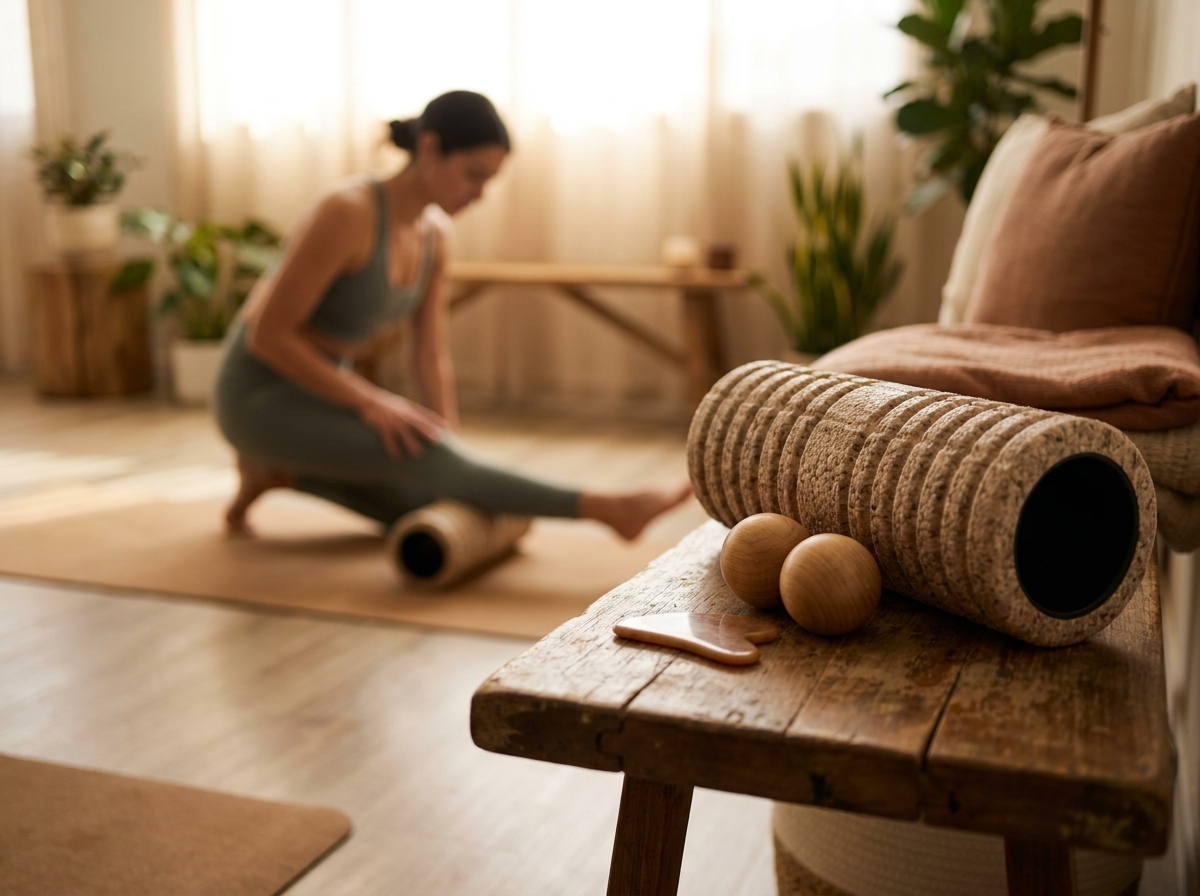
Not everyone has access to a sports massage therapist every week. The good news is that you can achieve much of the same effect at home using simple tools. The foam roller is ideal for large muscle groups like the thighs and back; the massage ball is great for specific trigger points in the calves, glutes, or soles of the feet; and the massage gun delivers quick, deep pulses to targeted areas.
As a rule of thumb: roll slowly, hold any uncomfortable spots for 20 to 30 seconds, and never apply pressure to the point of acute pain or directly on joints and bones. You’ll find a suitable selection in our Foam Rollers & Massage Rollers and Massage Guns collections. If you want to make recovery a regular part of your routine, check out the Recovery section for our full range of recovery products—including massage chairs for daily full-body use.
Buying Guide: Which Recovery Tool Is Right for You?
A good foam roller is all you need to get started. If you train hard frequently or suffer from recurring muscle tension, a massage gun with multiple attachments is also worth considering. For those who spend a lot of time sitting or are looking for a comfortable full-body treatment every day, a massage chair is the most convenient solution. At Kraftathlet , you can purchase all recovery tools with installment payments via PayPal or leasing for business customers, along with a 30-day return policy —so you can take your time to test what works best for you. Not sure which tool is right for you? Our team is here to help—just reach out via the contact page.
Common Mistakes in Sports Massage
Too much pressure. More pain doesn't mean more effectiveness. Aggressive kneading can irritate muscles instead of relaxing them—work within a range that's comfortable yet challenging.
Bad timing. A deep, intense massage right before a competition can actually weaken you in the short term. Stimulating before the event, soothing afterward.
Treat acute injuries. Massage is not recommended for strains, inflammation, or severe pain—in these cases, you should consult a specialist.
Not often enough. Rolling just once doesn't do much good. Consistency makes all the difference—ideally, several times a week in short sessions.
Frequently Asked Questions
Does sports massage help with muscle soreness?
Yes, that is its best-documented effect. The meta-analysis by Dupuy et al. (2018) found that massage effectively reduces delayed-onset muscle soreness (DOMS) and perceived fatigue in the 24 to 72 hours following exercise. It does not completely eliminate muscle soreness, but it does provide noticeable relief.
How often should I get a sports massage?
That depends on the intensity of your training. For self-massage with a foam roller or massage gun, it’s a good idea to do several short sessions per week. Many athletes get a professional treatment every one to two weeks or specifically after particularly strenuous workouts.
Massage before or after a workout—which is better?
Both are possible, but with different approaches. Before exercising, opt for a short, energizing massage; after exercising, choose a gentle, soothing massage to help you recover. Avoid deep kneading immediately before intense physical activity.
Can a massage gun replace the hands of a massage therapist?
Not quite, but it covers a large part of it. Massage guns and foam rollers offer a convenient way to give yourself a massage anytime. For personalized treatments—such as for stubborn muscle tension—a professional is still the better choice.
Is sports massage also beneficial for beginners?
Absolutely. People who are just starting to exercise often experience significant muscle soreness. A gentle self-massage with the roller can improve your well-being and aid recovery—start with moderate pressure and gradually increase it.
Conclusion
Sports massage is one of the most effective ways to feel refreshed again more quickly after a hard workout. Its main benefits include reduced muscle soreness and less fatigue—an effect that is well supported by research. For everyday use, a foam roller, massage ball, and massage gun are often all you need—as long as you use them in the right amounts and on a regular basis. Want to set up your recovery routine but not sure where to start? Talk to our team —we’ll help you find the right tools.
Sources: Dupuy et al. (2018), Frontiers in Physiology 9:403; Frontiers in Physiology (2017), " Massage Alleviates DOMS."