

Abstract
- A sauna after exercise promotes blood circulation and relaxation and can help relieve muscle soreness. However, it is no substitute for proper recovery through sleep and nutrition.
- Regular sauna use is associated with a significantly lower risk of cardiovascular disease (Laukkanen et al., 2015, JAMA Internal Medicine).
- Timing: After endurance training, it’s a good idea to go to the sauna right away. After a tough strength-training session, it’s better to cool down first, drink some water, and wait a little while.
- Sauna safety means: start out well-hydrated, stay in for 8–15 minutes per session, cool down, and take breaks—don't go into the heat when you're dehydrated.
Sauna After Exercise: Benefits, Proper Timing, and Safe Use
A sauna after exercise promotes blood circulation, relaxes the muscles, and can reduce muscle soreness—an effective ritual for winding down after a workout. However, it is often overrated as a standalone “recovery booster”: The most important components of recovery remain sleep, nutrition, and moderate exercise.
Nevertheless, the heat has measurable effects. A large Finnish long-term study by Laukkanen and colleagues (2015) published in *JAMA Internal Medicine* found a clear association between regular sauna use and a lower risk of fatal cardiovascular events. This guide explains what the sauna really does after a workout, when is the right time to use it, and how to use it safely.
What are the benefits of taking a sauna after a workout?
The effects of the sauna are primarily due to the heat: The body responds by dilating blood vessels, increasing heart rate, and boosting blood flow. This explains most of the noticeable effects.
Blood Circulation and Muscle Relaxation
The heat increases blood flow to the muscles, which helps flush out metabolic waste products and relaxes tense muscles. Many athletes find that their muscles feel more relaxed and flexible after a sauna.
Perceived muscle soreness
Heat can alleviate the subjective sensation of muscle soreness. It’s important to note that this effect primarily affects how you feel—the sauna is not a miracle cure for tissue damage. Nevertheless, it has its place as a pleasant part of a recovery routine.
Cardiovascular System and Heat Acclimatization
Regular exposure to heat trains the cardiovascular system in much the same way as light endurance training. In the field of endurance, a frequently cited study by Scoon and colleagues (2007) showed that sauna sessions after running training could improve endurance performance. This adaptation to heat is particularly interesting for endurance athletes.
Relaxation and Sleep
The alternation between heat and cooling has a calming effect on many people and can help them wind down after an intense day—an indirect but real contribution to recovery through better sleep.
The Right Timing: After Strength or Endurance Training?
Whether it makes sense to use the sauna right after a workout depends on your fitness goal. That's the most important difference.
| Type of Training | Recommendation | Why |
|---|---|---|
| Endurance Training | You can use the sauna right after | Heat acclimatization, relaxation, no adaptation conflict |
| Intense Strength Training | First cool down, have a drink, then hit the sauna—or on a rest day | The circulatory system is already under strain; fluid loss adds up |
| Light Workout / Mobility | A sauna is a great way to end the day | Low intensity, clear relaxation effect |
Rule of thumb: After an intense strength training session, your circulatory system is already working hard and you’ve lost fluids. Give your body 20–30 minutes to cool down and drink plenty of fluids before heading into the heat. If you want to be on the safe side, schedule your sauna session on a separate rest day.
How to Use a Sauna Properly: Instructions
- Start out well-hydrated: Drink water before and between courses. Never go into the sauna when you're dehydrated.
- Duration per set: 8–15 minutes is ideal for most people. Listen to your body, not your ambition.
- Cooling off: After each set, take a cold shower or step outside into the fresh air. The contrast between heat and cold is part of the effect.
- Breaks: Take a 10–15-minute break between courses. Two or three courses are plenty.
- Afterward: Rehydrate slowly, preferably with electrolytes, and give your circulatory system time to recover.
A word about fluid balance: When you’re in the sauna, you lose a noticeable amount of water and minerals through sweat. This is normal, but you should replenish these fluids—otherwise, you may experience headaches and circulatory problems. If in doubt, weigh yourself before and after the sauna and slowly drink enough water to make up the difference. If you’re coming straight from a workout, you’re already dehydrated and should rehydrate first, before the heat causes you to lose even more water.
Contrast Bath: Combining the Sauna and Cold
The classic alternation between the sauna and cold immersion is more than just a tradition. The cold causes the previously dilated blood vessels to constrict again—this “vascular training” is at the heart of the Kneipp principle. For many athletes, this alternation feels invigorating and rounds out the recovery process.
An important note: Taking a long ice bath immediately after intense strength training is controversial because intense cold stimuli can temporarily inhibit muscular adaptations. However, a quick cold shower between sauna sessions is a far cry from that and poses no problem for most people. If you want to make targeted use of the cold, you’ll find the details in our guide to ice baths; the appropriate equipment can be found in the Recovery category.
Finnish sauna or infrared sauna?
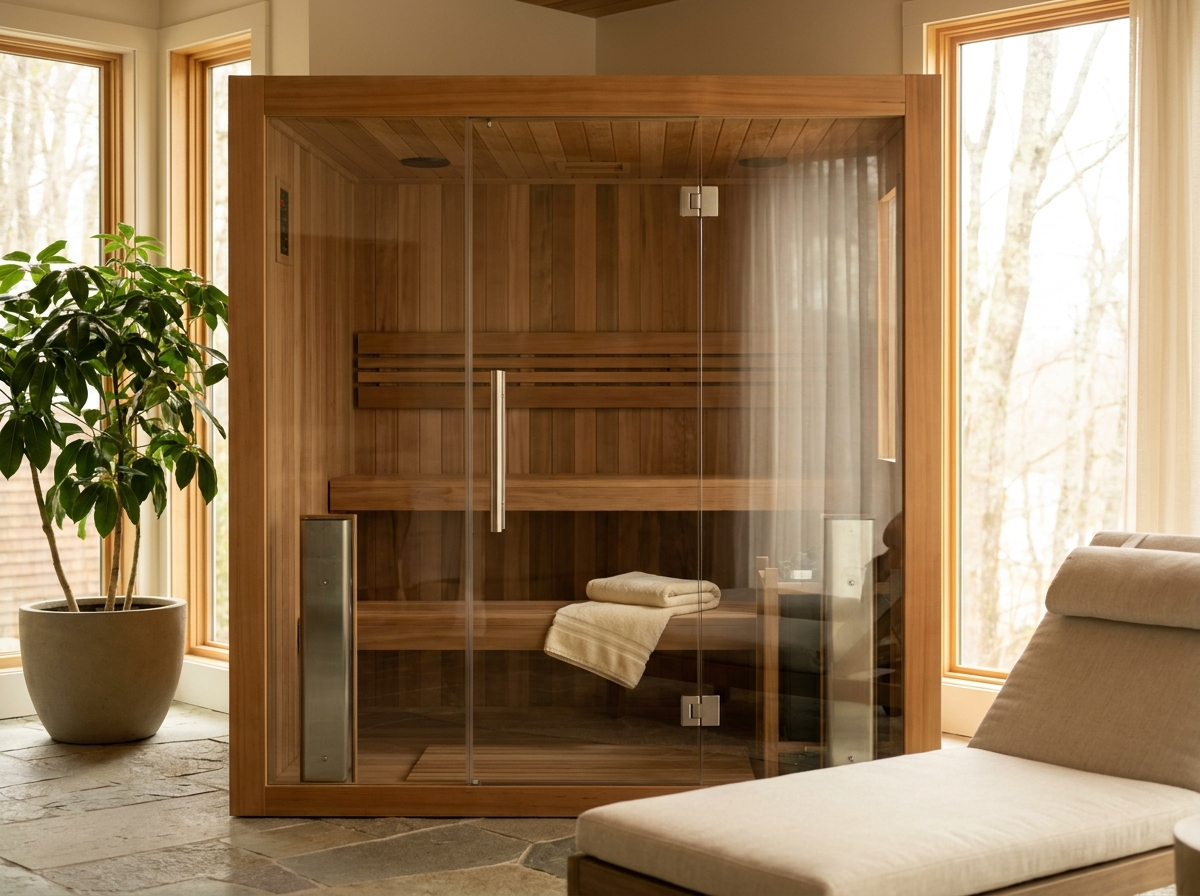
Both types use heat, but in different ways: The Finnish sauna uses high air temperatures (80–100 °C) and infusions, while the infrared cabin uses radiant heat at a lower ambient temperature (approx. 45–60 °C), which is perceived as gentler. For intense heat and the classic sauna experience, the Finnish sauna is the top choice; those who prefer a gentler, more energy-efficient option—or who have limited space—are often better served by infrared. The “Saunas & Infrared Cabins” category showcases the right unit for your gym, hotel, or home.
Who Should Be Careful When Using a Sauna
Saunas are generally well tolerated by healthy people. In some situations, however, it is advisable to exercise caution or consult a doctor:
- Cardiovascular diseases or unstable blood pressure: Consult a doctor beforehand.
- Acute infections with a fever: When you're sick, you should stay in bed, not in a hot environment.
- Pregnancy: Use only after consulting a doctor and at moderate temperatures.
- After drinking alcohol: This combination puts additional strain on the circulatory system and should be avoided.
This section is intended as general guidance and is not a substitute for individual medical advice.
Buying Guide: Sauna for Home or Gym
If you use the sauna regularly, you’ll benefit from having your own—whether it’s an infrared cabin in your wellness area or an outdoor sauna in your garden. When making a purchase, pay attention to power and cabin size, wood quality, control systems, and—for studios and hotels—suitability for continuous operation. In our Sauna category, you’ll find professional-quality models; complementary recovery tools are available in the Regeneration category. Kraftathlet is rated ★ 4.88/5 by customers and offers advice on electrical connections, setup, and usage before you make a purchase.
Saunas as an Amenity in Fitness Studios and Hotels
For fitness centers, wellness hotels, and physical therapy practices, the sauna is more than just a nice extra—it’s a key factor in driving revenue and customer loyalty. A well-designed recovery area featuring a sauna, cold therapy, and a relaxation zone increases the length of stay and the perceived value of a membership. Crucial factors here include robust equipment capable of continuous operation, clear hygiene and maintenance processes, and sensible space planning. We provide criteria-based consulting to commercial operators, from selection through installation.
Common Mistakes When Using the Sauna After Exercise
- Dehydrated in the Heat: If you go into a sauna without drinking anything after sweating, you risk circulatory problems.
- Walks that are too long: More isn't always better. After 15 minutes, it becomes counterproductive for most people.
- Immediately after intense strength training without a cool-down period: the effects on circulation and fluid loss add up.
- Saunas as a substitute for sleep and nutrition: They're the cherry on top, not the cake itself.
- Alcohol in the sauna: It puts additional strain on the circulatory system and isn't a good idea.
Frequently Asked Questions
Is going to the sauna after strength training bad for building muscle?
No, a moderate sauna session doesn't significantly slow down muscle growth. It's more important that you cool down first and drink plenty of fluids after a hard workout before heading into the heat. If you want to be absolutely sure, schedule your sauna session on a rest day.
How long after exercising should I go to the sauna?
After endurance training, you can go to the sauna right away. After an intense strength-training session, it’s a good idea to take a 20–30-minute break to cool down and rehydrate before you start.
How many times a week should you go to the sauna?
Two to four sauna sessions per week is a good guideline for most people. In the long-term study cited, greater cardiovascular benefits were associated with more frequent sauna use—regularity is key, not extremes.
Does a sauna help with muscle soreness?
Heat can help relieve muscle soreness and relax the muscles. However, it does not repair the underlying tissue damage—but it’s still a useful part of a recovery routine.
Finnish sauna or infrared cabin—which is better for recovery?
Both work by generating heat. The Finnish sauna provides more intense heat and allows for better heat adjustment; the infrared cabin is gentler, more energy-efficient, and takes up less space. The “better” choice depends on personal preference, available space, and budget.
Conclusion
A sauna after exercise is an effective relaxation and recovery ritual—provided you use it wisely: stay hydrated, do it in moderation, and time it right. You can go right after endurance training, but after a tough strength-training session, it’s best to take a cool-down break first. It’s most beneficial as a complement to sleep and nutrition, not as a substitute.
Are you thinking about purchasing an infrared cabin or a Finnish sauna for your home, studio, or hotel? Talk to our team —we’ll give you honest advice on size, performance, and installation.
Sources: Laukkanen T. et al. (2015), “Association Between Sauna Bathing and Fatal Cardiovascular and All-Cause Mortality Events,” JAMA Internal Medicine — JAMA Internal Medicine. Scoon G. et al. (2007), Journal of Science and Medicine in Sport.